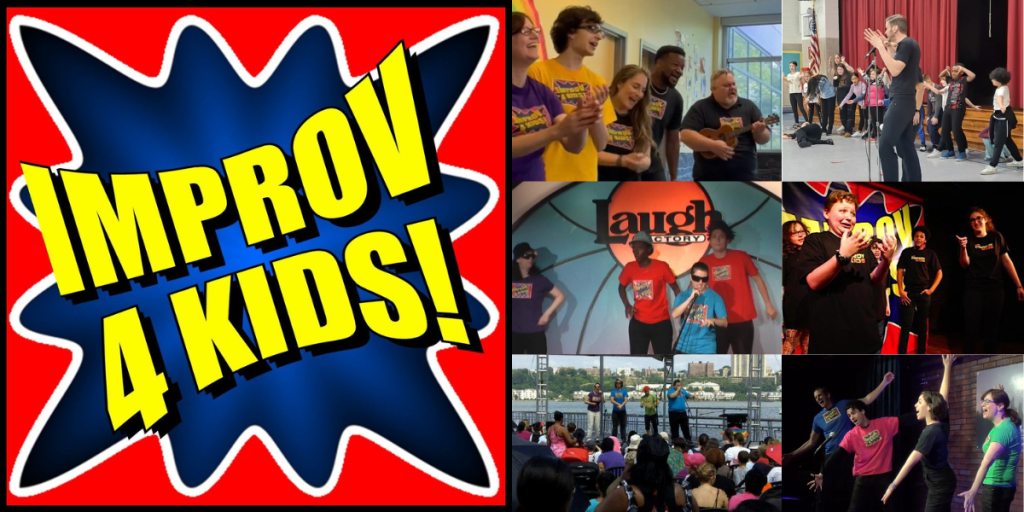
In our previous blog posts, we’ve explored how improv can enhance listening, focus, and communication skills. Today, we’ll delve into the connection between improv and language arts, specifically storytelling.
- Saturdays 3pm Fun for the whole family!
- Comedy Camp starts June 30
- EMAIL for groups sales and private events. NYC DOE VENDORS and we daily work with student groups from around the world as well as tour schools, community centers and family events.
Improv and Storytelling: A Perfect Pair
Improv and storytelling share many similarities. Both involve creating something new and exciting out of thin air. Both require active listening, creative thinking, and the ability to adapt to unexpected twists and turns.
How Improv Can Enhance Storytelling
Here are a few ways that improv can help students become better storytellers:
- Developing Characters: Improv games can help students develop rich and believable characters. By creating characters and improvising scenes, students can explore different personalities, motivations, and backstories.
- Building Plot: Improv can also help students develop strong plots. By creating scenes and stories on the spot, students learn to structure narratives, create suspense, and resolve conflicts.
- Enhancing Vocabulary and Language Use: Improv encourages students to use language creatively and expressively. By experimenting with different voices, tones, and dialects, students can expand their vocabulary and improve their language skills.
- Boosting Confidence: Improv provides a safe and supportive environment for students to experiment with storytelling. By taking risks and trying new things, students can build their confidence as storytellers.
Improv Activities for Storytelling
Here are a few improv activities that can be used to enhance storytelling skills:
- Character Interviews: Students create and interview fictional characters, developing their personalities and backstories.
- Storytelling Circles: Students collaborate to create and tell stories, building on each other’s ideas.
- “Yes, And…” Storytelling: Students build a story together, responding to each other’s ideas with “yes, and…” statements.
- Role-Playing Scenarios: Students act out different scenarios, such as customer service interactions or historical events.
The Power of Improv in Language Arts
Improv is a powerful tool for developing the skills needed for strong storytelling. By incorporating improv into your language arts instruction, you can help students unleash their creativity, build their confidence, and become more effective communicators.
Are you ready to bring improv into your language arts classroom?
If you’re interested in learning more about improv and its applications in education, we encourage you to explore our website and sign up for our newsletter. We also offer professional development workshops for teachers, providing practical strategies and tools for integrating improv into your curriculum.
Stay tuned for our next blog post, where we’ll explore the connection between improv and creative writing.
Call to Action:
- Explore our teacher workshops: [Link to your teacher workshops page]
- Sign up for our newsletter: [Link to your newsletter signup]
Remember, improv is not just about being funny; it’s about learning, growing, and discovering your potential. By incorporating improv into your language arts instruction, you can help your students become more creative, confident, and effective storytellers.


 The original improv 4 Kids